
How Professional Drafting Reduces Costs in Home Addition Projects
Adding new space to a home or commercial building is a major investment, and unexpected costs are one of the biggest concerns for property owners. From permit delays to design changes during construction, small planning gaps can quickly turn into expensive problems. Professional home drafting plays a key role in controlling these costs by creating clear, accurate plans before construction ever begins.
Clear Scope and Accurate Planning
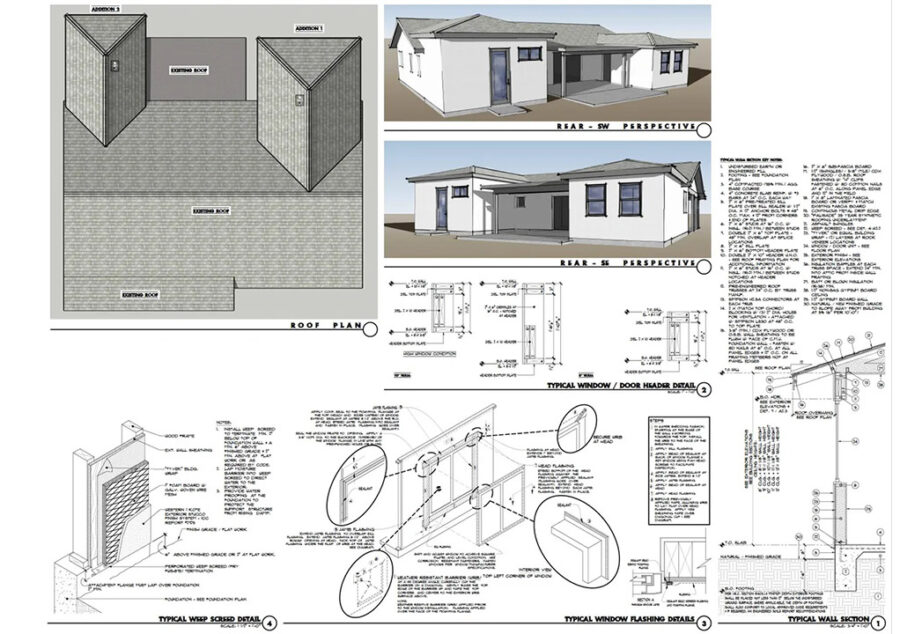
Professional drafting defines the full scope of a home addition project at the start. Floor plans, elevations, sections, and structural details clearly show what is being built, how it connects to the existing structure, and how space will be used. When the scope is well defined, contractors can price the project accurately, reducing the risk of surprise costs later.
Fewer Design Changes during Construction
One of the most common reasons addition projects go over budget is mid-construction changes. When plans are incomplete or unclear, issues often surface after work has already started. Professionally drafted drawings address layout, structural connections, and utility integration upfront, minimizing the need for costly redesigns or on-site adjustments.
Faster Permit Approvals and Fewer Revisions
Permitting delays can add significant cost to an addition project through extended timelines and additional professional fees. Professional drafting produces permit-ready drawings that meet local building codes and zoning requirements. Clear, code-compliant plans reduce review comments and resubmissions, helping projects move forward without unnecessary delays.
Accurate Material Estimates and Reduced Waste
Better Coordination between Trades
Structural Efficiency and Long-Term Value
Reduced Risk of Costly Errors
A Smarter Investment from Start to Finish
Professional drafting is not an added expense but a cost-saving tool. By improving planning, reducing errors, speeding approvals, and supporting efficient construction, drafting helps keep addition projects on budget. The result is a smoother process, predictable costs, and a finished addition that adds real value to the property.
When home addition projects are guided by professional drafting from the beginning, property owners gain confidence, builders gain clarity, and costs stay under control throughout the entire build.