
How to Choose the Right Layout for Your Custom Home
Designing a custom home is one of the most exciting parts of the building process—but choosing the right layout is where everything truly comes together. A well-planned layout not only improves how your home looks but also how it functions every day.
With the help of a custom home drafting plan, you can turn your ideas into a practical, efficient, and buildable design that fits your lifestyle and your property.
Whether you’re planning a new build or expanding your property, this design delivers both practical value and modern living convenience.
Why Layout Matters in Custom Home Design
The layout of your home determines how spaces connect, how natural light flows, and how comfortable your home feels. A poorly planned layout can lead to wasted space, limited functionality, and costly changes during construction.
A strong layout ensures:
- Efficient use of available space
- Smooth flow between rooms
- Proper ventilation and natural lighting
- Better long-term usability
This is why layout planning is one of the most important steps in residential drafting.
Start with Your Lifestyle Needs
Before finalizing a layout, think about how you live in your home on a daily basis. Your layout should reflect your habits, preferences, and future needs.
Consider:
- Number of bedrooms and bathrooms
- Need for a home office or workspace
- Entertainment and family areas
- Storage requirements
A custom home drafting plan helps organize these needs into a functional layout that works for you.
Understand Your Land and Space Constraints
Your plot size, shape, and orientation play a major role in determining the layout. Not every design works on every property.
Important factors include:
- Available buildable area
- Setbacks and zoning regulations
- Driveway and access points
- Sunlight direction and ventilation
Professional drafting ensures your layout fits perfectly within your land constraints.
Focus on Functional Zoning
Modern home layouts are often divided into zones to improve usability and privacy.
Common zones include:
Living Zone: Living room, dining, and kitchen
Private Zone: Bedrooms and bathrooms
Utility Zone: Laundry, storage, and garage
Zoning helps create a balance between open spaces and private areas, making the home more comfortable and organized.
Choose Between Open and Defined Layouts
Open floor plans remain popular, but they are not the only option. The right choice depends on your lifestyle.
Open Layouts: Ideal for social living, better light, and spacious feel
Defined Layouts: Provide privacy and better noise control
A hybrid approach—open living areas with separate private spaces—is often the most practical solution.
Plan for Natural Light and Ventilation
A good layout should maximize natural light and airflow. This improves comfort, reduces energy costs, and enhances the overall feel of your home.
Drafting plans help position:
- Windows and doors strategically
- Living spaces in well-lit areas
- Ventilation paths for better airflow
Think About Future Flexibility
Your needs may change over time, so your layout should be adaptable.
Plan for:
- Additional rooms or extensions
- Multi-purpose spaces
- Aging-in-place design considerations
Flexible layouts add long-term value to your home.
Avoid Common Layout Mistakes
Many homeowners make mistakes that affect functionality and comfort.
Common issues include:
- Oversized or undersized rooms
- Poor room connectivity
- Ignoring storage needs
- Blocking natural light
- Not planning for furniture placement
Working with a drafting professional helps avoid these problems early.
Role of Custom Home Drafting Plans
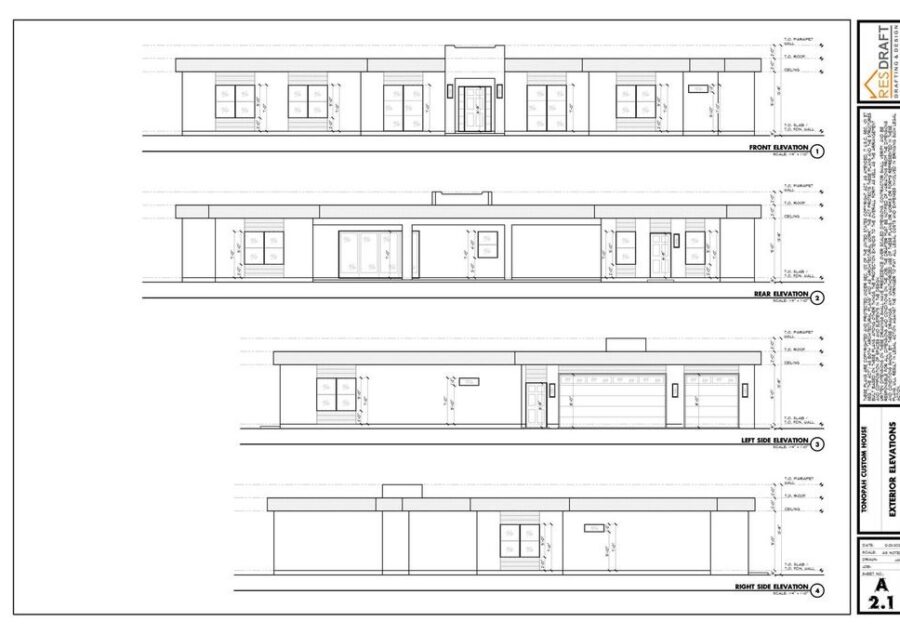
A custom home drafting plan brings everything together. It transforms your ideas into detailed drawings that builders can follow accurately.
Drafting ensures:
- Precise room dimensions and layouts
- Efficient space utilization
- Code-compliant and permit-ready plans
- Clear communication with contractors
Without proper drafting, even a good layout idea can fail during construction.
Choosing the right layout for your custom home is about balancing functionality, comfort, and future needs. With proper planning and professional drafting, you can create a home that not only looks great but also works perfectly for your lifestyle.
Start Your Custom Home with Professional Drafting
If you’re planning a custom home, working with experienced drafting professionals can make the entire process smoother. From layout planning to detailed construction drawings, a well-prepared custom home drafting plan ensures your vision becomes a practical and buildable reality.